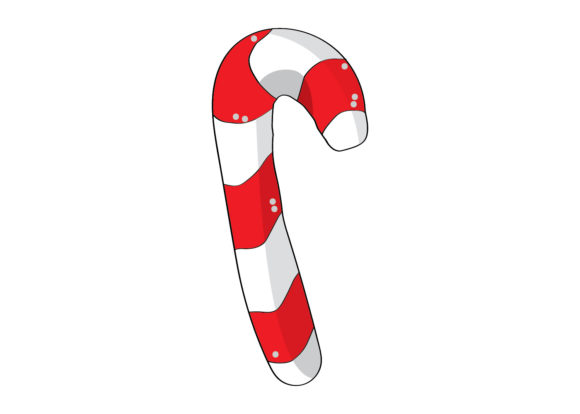
Christmas Candy Cone Graphics and Illustrations Review
As a digital publisher who manages multiple content sites and seasonal campaigns, I evaluate every graphic design asset through the lens of editorial utility and conversion potential. When I first opened the Christmas Candy Cone file, my immediate assessment focused on its versatility across different publishing environments. This is not merely a decorative element; it is a functional piece of visual communication that establishes an immediate festive mood without overwhelming the user interface. The illustration strikes a careful balance between playful nostalgia and modern design cleanliness, making it suitable for lifestyle blogs, parenting niches, food publications, and creative entrepreneur platforms. In the crowded landscape of holiday content marketing, this asset provides the visual anchor necessary to stop the scroll while maintaining enough negative space to support text overlays and branding elements.
Editorial Mood and Visual Hierarchy in Content Marketing
The primary strength of this graphic design asset lies in its ability to create instant category recognition. For publishers running high-volume seasonal content, visual consistency is key to building reader trust. The Christmas Candy Cone illustration offers a distinct silhouette that reads clearly even at reduced sizes, which is critical for maintaining a strong visual hierarchy on busy blog index pages or newsletter headers. The aesthetic feels curated rather than generic, suggesting a level of professional care that reflects positively on your brand identity. Whether you are operating an affiliate marketing site reviewing holiday gifts or a personal blog sharing family traditions, this graphic signals to the reader that the content within is polished, relevant, and worth their time. It avoids the cluttered, chaotic look of amateur holiday clip art, instead offering a refined focal point that supports sophisticated editorial layouts.
Technical Versatility Across Publishing Workflows
From a production standpoint, the technical specifications of this asset make it a workhorse for multi-channel publishing. The Christmas candy cone is available in six format types, including AI, EPS, SVG, DXF, JPG, and PNG files. This comprehensive file suite is essential for modern web design workflows. The vector formats (AI, EPS, SVG) allow me to scale the illustration infinitely for large website headers or print-ready digital guides without any loss of quality. Conversely, the raster formats (JPG, PNG) at 1400px by 1000px provide optimized dimensions for standard featured images and social media graphics without requiring additional resizing. The canvas size is particularly thoughtful for digital publishers; the 1.4:1 aspect ratio aligns perfectly with standard blog post thumbnails and Pinterest pin templates, reducing the friction often associated with adapting square illustrations for rectangular web containers. Because this design is easy to use and can be edited extensively, I was able to adjust color palettes in Illustrator to match specific client brand guidelines within minutes.
Strategic Applications for Digital Products and Lead Magnets
Beyond standard blog graphics, this asset serves as a foundational element for monetizable content products. I have successfully integrated similar illustrative styles into lead magnets and content upgrades because they add perceived value to free resources. For example, using the Christmas Candy Cone as a cover element for a downloadable holiday planning checklist or a festive recipe eBook transforms a simple PDF into a desirable digital product. The clean lines and vibrant styling make it ideal for Canva templates, allowing creators to build cohesive social media suites or email newsletter banners rapidly. In affiliate marketing contexts, this graphic works exceptionally well as a background texture or accent element behind product roundups, helping to segment seasonal content from evergreen articles visually. Its adaptability means it can function as a primary hero image for a landing page or a subtle watermark for proprietary printable designs, maximizing the return on investment for a single creative asset.
Optimizing Click-Through Rates and Reader Engagement
Visual assets directly influence content performance metrics, and this illustration is engineered for engagement. A stronger first impression leads to better click-through potential, especially on platforms like Pinterest where vertical visuals dominate. The Christmas Candy Cone possesses the bold simplicity required to stand out in a feed saturated with complex photography. When used as an article thumbnail, it creates a consistent visual thread that helps returning visitors navigate your site intuitively. I have found that illustrated headers often outperform stock photography in niche categories because they feel bespoke and authentic. Furthermore, when utilized in email marketing, such distinctive graphics improve open rates by making the newsletter instantly recognizable in a crowded inbox. The asset supports a professional-looking content page structure, guiding the reader’s eye toward calls-to-action and reducing bounce rates through enhanced aesthetic appeal.
Publisher Notes on Implementation and Licensing Compliance
While the Christmas Candy Cone is highly versatile, experienced publishers must apply it with strategic intent. It performs best in hero sections, category archives, and promotional materials where its festive character enhances the narrative. However, use caution when placing it in serious corporate communications or minimalist tech blogs, as the whimsical nature may clash with a formal tone. Always test the graphic on mobile devices; ensure the central motif remains legible when scaled down to a 300px thumbnail. I recommend previewing the asset inside your actual CMS theme before finalizing, checking contrast against your specific background colors. Pair this illustration with complementary typography; it harmonizes beautifully with handwritten scripts for a cozy feel or bold sans-serif fonts for a modern retail look. Crucially, always verify the commercial license terms before deploying this asset on monetized websites, affiliate pages, or paid digital downloads. Proper licensing protects your business and ensures ethical usage within the creative marketplace. Finally, optimize your exported JPG and PNG files for web performance to maintain fast load times, as heavy graphics can negatively impact SEO rankings despite their visual appeal.
- Format Flexibility: Utilize SVG files for responsive web elements and AI/EPS files for editing colors to match your specific brand identity.
- Canvas Utility: Leverage the 1400px x 1000px dimensions for seamless integration into standard WordPress featured image settings and Pinterest templates.
- Brand Consistency: Create a library of variations by recoloring the vector source file to maintain visual cohesion across different content categories.
- Performance Check: Compress raster exports to under 200KB where possible to preserve site speed without sacrificing visual clarity.
- Commercial Safety: Document your licensing rights specifically for affiliate marketing and digital product sales to avoid future compliance issues.
Integrating high-quality illustrations like the Christmas Candy Cone into your publishing workflow elevates the entire user experience. It bridges the gap between functional web design and emotional storytelling, providing the visual warmth that defines successful seasonal content. By leveraging the multi-format availability and editable nature of this asset, digital marketers and bloggers can produce professional-grade visuals efficiently. Whether you are designing a new lead magnet, refreshing your holiday blog theme, or creating social media assets for a small business, this graphic offers the reliability and aesthetic quality necessary for serious content creation. Ultimately, investing in versatile design assets that serve multiple editorial functions is what separates hobbyist blogs from authoritative digital publications.