Christmas Bear Family: An Embroidery Designer’s Review
As a professional embroidery designer and product reviewer, I approach every new digital asset with a critical eye. When evaluating the Christmas Bear Family design, my primary concern is not just how charming it looks on a screen, but how it translates into physical thread on fabric. This review assesses the design from the perspective of a maker preparing for real-world production, specifically focusing on its viability for custom apparel, holiday gifts, and small business merchandise.
First Impressions and Visual Personality
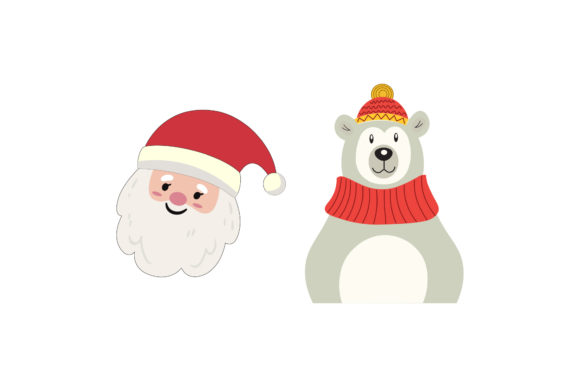
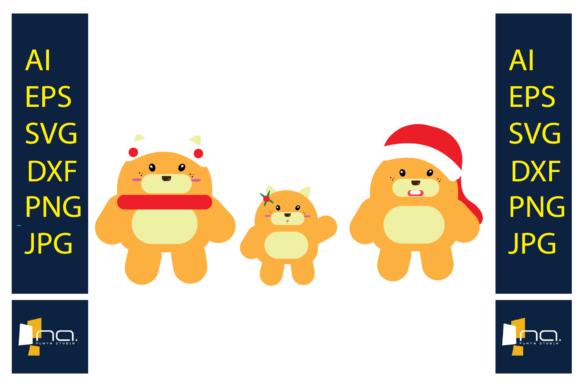
Upon opening the files, the Christmas Bear Family immediately establishes a warm, nostalgic mood essential for holiday embroidery. The composition suggests a cohesive group dynamic, which is visually appealing for family-oriented projects. As an illustration converted into graphics, the lines appear clean and intentional. For an embroiderer, this is promising because it implies that the digitizing process likely respected the original art's integrity without overcrowding the canvas.
The visual weight of the bears feels balanced. In many digital designs, characters can look flat or disjointed, but this set maintains a consistent style that would translate well to a handmade product. Whether you are creating a personalized gift for a grandparent or stocking an Etsy shop with seasonal wear, the aesthetic communicates professionalism and care. It avoids the overly cartoonish look that can sometimes cheapen a finished item, instead leaning toward a classic, boutique-ready style that appeals to buyers looking for quality design assets.
Real-World Application: Stitching a Holiday Sweatshirt
To truly judge this machine embroidery design, I mentally placed it in a specific production scenario: creating a premium holiday sweatshirt for a client who wants matching family outfits. This is a common request for custom apparel during the festive season. The Christmas Bear Family fits this niche perfectly because the grouping allows for versatility; you can use the full family for a parent’s shirt and individual bears for children’s sizes.
In this scenario, the design serves as a centerpiece. On a fleece or French terry sweatshirt, the texture of the fabric interacts with the stitches. If the design utilizes fill stitch areas for the bears' bodies, it will provide excellent coverage against the nap of the fleece. However, if the design relies heavily on satin stitch borders or details, I would be cautious about stitch density. Fleece can swallow thin satin columns, so verifying that the embroidery file has adequate underlay is crucial before committing to a final garment.
For a tote bag design, the application shifts slightly. Canvas tote bags are sturdy and hold detail well. Here, the Christmas Bear Family could serve as a durable, washable graphic that outlasts vinyl or heat transfer options. The 1920 px x 1280 px canvas size provided in the digital download is excellent for creating high-resolution printable mockups to show clients before stitching, ensuring they approve the placement and scale. This step is vital for maintaining customer trust and reducing waste in a craft business.
Critical Considerations for Fabric and Hoop Size
While the Christmas Bear Family is versatile, experienced makers know that not all fabrics behave identically. When working with this design, you must consider the interplay between the artwork and the material.
- Stretchy Fabrics: If applying this to baby onesies or stretchy knits for baby embroidery, stabilization is non-negotiable. The design’s complexity requires a stable base to prevent puckering. Always use an appropriate stabilizer and consider a topping for textured fabrics to keep stitches crisp.
- Small Hoop Sizes: Before purchasing or stitching, confirm your machine’s maximum hoop size. While the digital canvas is large, the actual stitch area may vary. Resizing a complex family grouping down to fit a 4x4 hoop can result in lost details or overlapping stitches that cause thread breaks. Always check the dimensions in your embroidery software first.
- Dark vs. Light Fabrics: Test the design on both dark and light backgrounds. Some thread colors may need adjustment depending on the fabric. A white bear outline might disappear on cream fabric but pop beautifully on navy. Running a test stitch-out on scrap fabric is the only way to guarantee contrast and clarity.
- Curved Surfaces: Be wary of using a wide family grouping on curved surfaces like caps. The distortion required to wrap the design around a hat brim can alter the bears' proportions. For headwear, individual elements or a vertically stacked arrangement often work better than a wide horizontal layout.
Technical Notes for Commercial and Personal Use
For Etsy sellers and small shop owners, the technical quality of your finished product directly impacts reviews and repeat business. The Christmas Bear Family comes in multiple formats including AI, EPS, SVG, DXF, JPG, and PNG. This variety is a significant advantage. The vector files (AI, EPS, SVG) allow you to modify colors or separate elements if you have digitizing software, while the raster files (JPG, PNG) are perfect for web listings and social media marketing.
However, a word of caution regarding licensing and commercial use: always verify the specific terms included with your digital embroidery file. Just because a file is available for instant download does not automatically grant unlimited commercial rights for selling physical items or redistributing the digital files themselves. Clarifying this protects your business from legal issues and ensures you are supporting the original artist ethically.
When planning your production run, inspect the stitch density in your software. If the design feels too dense for a lightweight tea towel, consider removing background fills or converting solid areas to running stitch outlines. This reduces stitch count, saves time, and prevents the fabric from becoming stiff. Conversely, if stitching on a heavy blanket, ensure there is enough density to prevent the fabric grain from showing through the threads.
Elevating Product Value Through Presentation
The success of a commercial embroidery project often hinges on presentation. Because the Christmas Bear Family includes high-resolution graphics, you can create professional mockups that showcase the design on various products before you even thread your needle. For a small shop product listing, showing the design on a pillow cover, apron, and card simultaneously demonstrates versatility to the buyer.
Furthermore, consider how this design pairs with other elements. Does it leave room for personalization? Adding a family name or year below the bears transforms a generic graphic into a cherished heirloom. Ensure the bottom edge of the design is clean enough to accommodate text without looking crowded. This attention to layout details distinguishes a hobbyist project from a professional embroidered patch or garment.
Final Verdict for Makers
The Christmas Bear Family presents as a strong candidate for holiday production, offering both emotional appeal and technical adaptability. Its strength lies in its ability to function across multiple mediums, from sweatshirt embroidery to paper goods. By approaching this design with practical testing—checking stabilizers, verifying hoop compatibility, and adjusting thread palettes for specific fabrics—you can maximize its potential.
Remember that every machine and fabric combination is unique. What works on a sample towel may need tweaking for a performance polyester shirt. Treat this illustration as a foundation for your creativity, but rely on your own testing to ensure the final embroidery project meets your standards. When executed with care, this design has the potential to become a bestseller in your holiday collection or a treasured component of a personalized family gift.