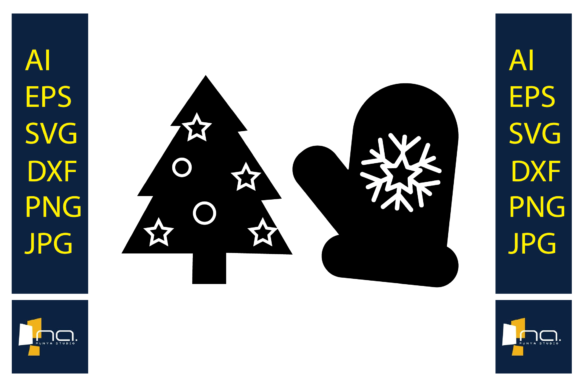
Christmas Tree and Gloves Star: An Embroidery Review
As a designer who spends more time behind an embroidery machine than a computer screen, I approach every new digital asset with a healthy dose of skepticism. We have all downloaded beautiful graphics that turn into thread nests or distorted shapes once they hit the hoop. When evaluating the Christmas Tree and Gloves Star, my primary concern was not just its aesthetic appeal as a graphic, but its structural integrity as a machine embroidery design. This review breaks down how this illustration translates from a 1920 px x 1280 px canvas to actual fabric, specifically for makers running small businesses or creating high-quality holiday gifts.
First Impressions: Holiday Nostalgia Meets Stitch Logic
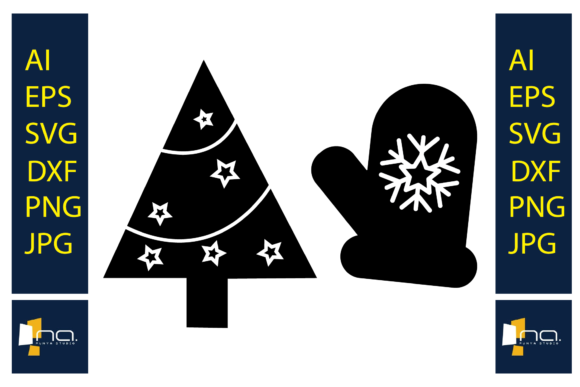
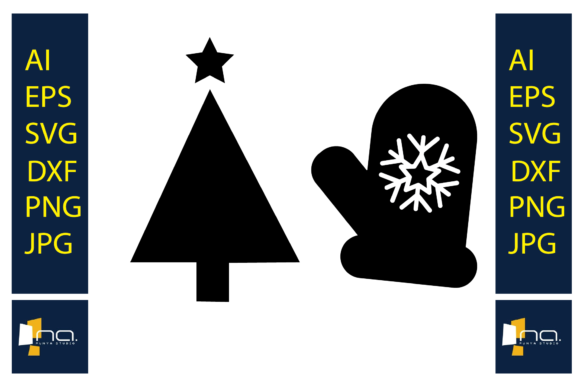
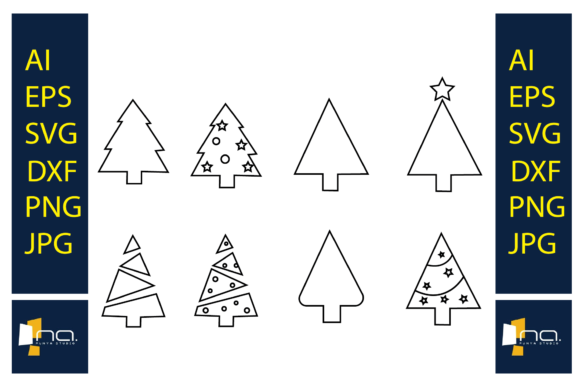
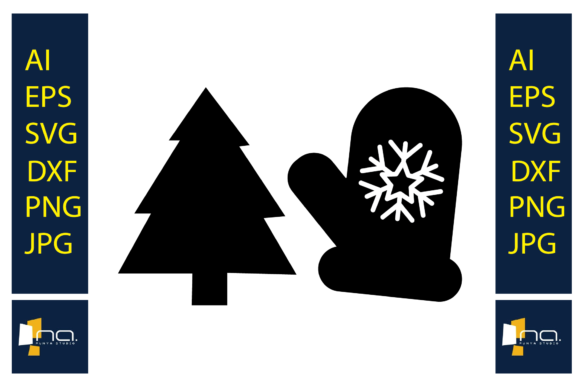
My initial reaction to the Christmas Tree and Gloves Star was that it captures a specific, cozy vintage mood without being overly cluttered. For those of us in the craft business space, finding artwork that balances detail with stitch-ability is rare. The composition features a central tree element integrated with gloves and star motifs, creating a balanced silhouette. Visually, it feels like a classic holiday embroidery candidate rather than a trendy fad that will expire next season.
From a technical standpoint, the lines appear clean enough to support various stitch types. The separation between the tree, the gloves, and the star suggests distinct color blocks, which is excellent news for minimizing jump stitches and thread trims. As an Etsy seller, I look for designs that photograph well in mockups but also deliver value when the customer holds the finished product. This graphic has the visual weight necessary for both digital previews and physical merchandise.
Real-World Application: The Canvas Tote Test
To truly judge this asset, I mentally placed it in a real production scenario: creating custom holiday tote bags for a local boutique pop-up. Totes are unforgiving; the canvas texture can swallow fine details, and the fabric has zero stretch. The Christmas Tree and Gloves Star shines here because its bold shapes allow for adequate stitch density without becoming bulletproof.
In this scenario, I would utilize the SVG or DXF files to create a hybrid project. The larger areas of the tree could be handled with a fill stitch or even converted into an applique design to reduce stitch count and add tactile interest. The gloves and star accents would work beautifully in a satin stitch to create a raised, premium texture against the matte canvas. This combination elevates the item from a simple printed bag to a genuine handmade product. Customers at craft fairs respond to this level of dimensionality; it justifies a higher price point and builds trust in your brand’s quality.
Apparel Considerations for Sweatshirts and Baby Items
Moving from sturdy canvas to apparel requires a shift in strategy. If you are planning sweatshirt embroidery, the design’s layout is forgiving on fleece fabrics. However, for baby embroidery or lightweight knits, caution is required. The original file is a raster/vector graphic, not a pre-digitized embroidery file. This means you must verify the digitizing parameters yourself. On stretchy fabrics, ensure the stabilizer choice matches the design's density. A heavy fill stitch on a baby onesie will cause puckering and discomfort. You may need to simplify the internal details of the Christmas Tree and Gloves Star for smaller garments, perhaps using only the outline or reducing the fill density to maintain the garment's drape.
Navigating Fabric Textures and Hoop Limitations
While versatile, this design is not immune to physical limitations. Here is where practical experience dictates usage:
- Textured Fabrics: On terry cloth towels or nubby linen, avoid thin running stitch details within the star or glove cuffs. These will sink into the pile. Increase the underlay or switch to a thicker satin column to ensure the design sits on top of the fabric texture.
- Small Hoop Sizes: Scaling down is often necessary for caps or pockets. Before resizing, inspect the smallest elements. If the star points become thinner than your needle width at 4x4 size, the design needs editing. Do not rely solely on automatic resizing software; manual adjustment preserves the artistic intent.
- Dark vs. Light Fabrics: Test your thread colors carefully. A white star on cream fabric disappears, while red thread on dark green fleece can bleed visually. High contrast is key for recognition in photos and person.
- Curved Surfaces: For caps, the horizontal span of the tree might distort. Consider rotating the design or isolating the glove/star motif for curved brims to prevent registration issues.
Commercial Viability and Brand Consistency
For creative entrepreneurs, consistency creates customers. The Christmas Tree and Gloves Star offers a cohesive theme that can span multiple product categories. Imagine offering a matching set: an embroidered patch for denim jackets, a printed card using the JPG/PNG files, and an embroidered pillow cover. This cross-media potential maximizes the ROI of a single digital embroidery file purchase.
However, professionalism lies in execution. Before listing any custom apparel or personalized gift items, you must validate the licensing. While the product description mentions use for shirts, posters, and stickers, always confirm if commercial sale of finished goods is permitted under your specific license tier. Furthermore, never sell the raw AI, EPS, or SVG files as your own. Your value proposition is the transformed, tangible good or the unique application of these design assets.
The Importance of Printable Mockups
Since this package includes high-resolution PNG and JPG files at 1920 px x 1280 px, leverage them for marketing before you stitch a single test. Create a printable mockup for your shop listing to gauge interest. If the digital preview gets clicks, then invest the time in sampling. This workflow saves thread and stabilizer costs while validating market demand for your small shop product line.
Essential Designer Notes for Success
Because this product is listed under Illustrations and Graphics rather than pre-digitized embroidery files, treat it as a premium source material rather than a plug-and-play solution. Follow this checklist before production:
- Digitize or Convert Properly: Use professional software to convert the vector (AI/EPS/SVG) formats into machine-compatible stitches. Auto-digitizing rarely handles complex illustrations like the Christmas Tree and Gloves Star perfectly. Manual pathing ensures smooth transitions.
- Test on Scrap Fabric First: Never run a new conversion directly on a client’s $40 sweatshirt. Stitch out on similar weight scrap material to check tension, density, and alignment.
- Check Thread Contrast: View your digitized file in black and white mode. If the design loses definition without color, your stitch types need adjustment. Good embroidery relies on texture, not just hue.
- Verify Stabilizer Pairing: Match your backing to both the fabric and the design density. Cutaway for knits, tear-away for wovens, and water-soluble for sheer fabrics or freestanding lace applications.
- Inspect Small Details: Zoom in at 100% in your embroidery software. Ensure no individual stitch segments are shorter than 1mm, which causes needle breaks and thread shredding.
- Confirm Licensing: Re-read the terms regarding commercial embroidery and digital resale. Protect your business by staying compliant.
The Christmas Tree and Gloves Star is a promising asset for makers willing to put in the technical groundwork. It bridges the gap between charming illustration and functional embroidery art. By respecting the physics of thread and fabric, you can transform this digital download into a best-selling holiday staple that delights customers and strengthens your handmade brand. Remember, the magic isn't just in the file you buy, but in the thoughtful execution you bring to every stitch.