Christmas Tree Ready to Be Colored: An Embroidery Review
As a professional designer who spends more time behind an embroidery machine than a computer screen, I approach every new graphic with a specific question: will this actually stitch out well? When I first opened the files for Christmas Tree Ready to Be Colored, I wasn't just looking at a digital illustration. I was mentally mapping out satin stitches, evaluating negative space for applique potential, and considering how this artwork would translate from a 1920px canvas to a tangible, textured surface. For fellow makers, Etsy sellers, and apparel decorators, the gap between a pretty screen image and a quality finished product is where reputation lives or dies. Here is my practical assessment of using this design in real-world embroidery projects.
First Impressions: Visual Personality and Stitch Potential
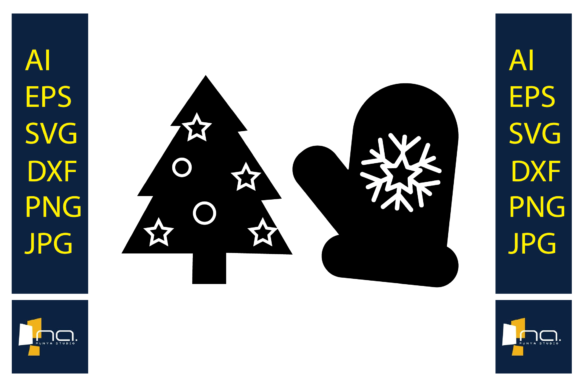
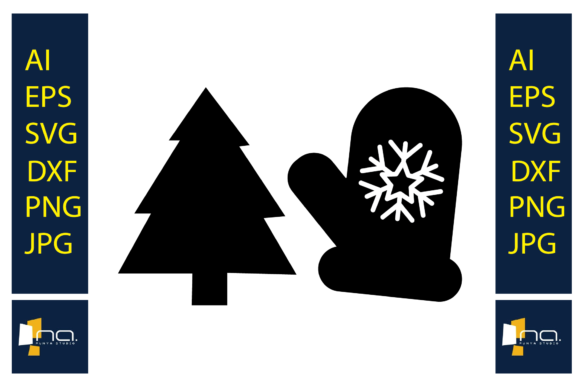
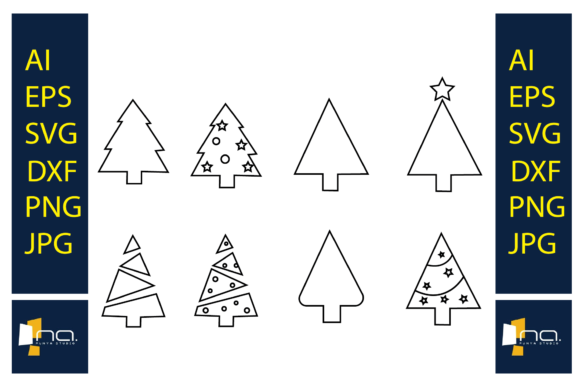
The immediate strength of Christmas Tree Ready to Be Colored lies in its intentional simplicity. As an illustration categorized under Graphics, it avoids the cluttered shading that often causes nightmare scenarios in digitizing. The lines are distinct and purposeful, suggesting a bold outline that can easily be converted into a running stitch or a clean satin border. This clarity is essential. When a design relies on subtle gradients or hairline details, the embroidery machine struggles to replicate the artist's intent. However, this tree design possesses a graphic confidence that respects the limitations and strengths of thread.
The mood is undeniably festive yet versatile. It strikes a balance between traditional holiday nostalgia and modern minimalism. For a craft business owner, this neutrality is valuable. It doesn’t pigeonhole you into a single aesthetic; it serves as a foundational element that can be dressed up with metallic threads for a luxury feel or stitched in matte cottons for a rustic, farmhouse vibe. The open nature of the "ready to be colored" concept also invites creativity, allowing for unique color blocking or mixed-media approaches that differentiate your handmade products from mass-market alternatives.
Real-World Application: The Custom Tote Bag Test
To truly evaluate this asset, I mentally placed it onto a natural canvas tote bag—a staple for small shop merchandise and personalized gifts. Canvas is unforgiving; it has a coarse fabric texture that can swallow fine details. Because Christmas Tree Ready to Be Colored features strong structural lines, it is an ideal candidate for this substrate. I envision using a heavy-weight tear-away stabilizer to prevent puckering, with the tree outline executed in a dense satin stitch to anchor the design against the weave of the canvas.
For a boutique product line, this design offers excellent scalability. On a tote bag, you have ample hoop size availability, allowing the tree to become a central focal point without losing integrity. If I were creating a coordinated collection, I could use the same embroidery file for a matching sweatshirt embroidery project. The design’s geometry suggests it would sit flat on fleece without excessive distortion, provided the stitch density is adjusted to prevent the garment from becoming bulletproof. This cross-product versatility is exactly what creative entrepreneurs need to maximize the ROI of their digital design assets.
Navigating Fabric Challenges and Technical Constraints
While the design is robust, no machine embroidery design is immune to physics. There are specific scenarios where Christmas Tree Ready to Be Colored requires careful handling. If you are working with stretchy fabrics like jersey knits for baby embroidery or t-shirts, the risk of registration errors increases. The clean lines that make this design attractive will look sloppy if the fabric shifts during stitching. In these cases, a cut-away stabilizer is non-negotiable, and basting stitches within the hoop are highly recommended to lock the fabric down before the decorative stitching begins.
I would also advise caution when applying this to curved surfaces like caps or heavily textured items like terry cloth towels. The vertical orientation of a Christmas tree can sometimes distort on a curved cap brim or crown unless properly compensated during digitizing. Similarly, on high-pile fabrics, the details of the tree might get lost. Using a water-soluble topping is essential here to keep the stitches visible and crisp. Always remember that while the source files (AI, EPS, SVG, DXF, JPG, PNG) provide vector precision, the physical output depends entirely on your stabilization strategy and hooping technique.
Commercial Viability and Customer Perception
For Etsy sellers and commercial embroidery businesses, visual appeal directly correlates to customer trust. A design that looks pixelated or poorly stitched in listing photos kills conversion rates. Christmas Tree Ready to Be Colored supports professional presentation because its bold shapes read clearly even in thumbnail-sized printable mockups. When customers browse holiday embroidery listings, they need to instantly understand the design. The clear silhouette of this tree ensures recognition and engagement, whether viewed on a phone screen or embroidered on a physical sample.
Furthermore, the "coloring" aspect of the title implies customization potential. This is a massive selling point for personalized gifts. You could market this as an interactive element for children's items, perhaps stitching the outline in black and leaving the interior open for fabric markers, or offering custom color variations based on buyer requests. This flexibility transforms a static graphic into a dynamic service offering, increasing the perceived value of your finished product. Just ensure you verify the licensing terms included with your instant download to confirm you have the rights to sell physical items featuring this artwork.
Essential Designer Notes Before You Stitch
Before loading this embroidery file into your machine, take these practical steps to ensure success:
- Test on Scrap Fabric First: Never run a new design on a final product without a test stitch-out. Use a scrap piece of the exact fabric and stabilizer combination you plan to use for the real project to check tension and coverage.
- Verify Hoop Size Compatibility: While the canvas size is 1920px x 1280px, this refers to the digital art dimensions, not the stitch area. You must check the actual embroidery dimensions in your software to ensure it fits your machine’s maximum hoop size or resize appropriately.
- Check Thread Color Contrast: Test the design in both light and dark thread colors against your chosen fabric. A design that pops on white cotton might disappear on navy fleece. Adjust thread colors or add an underlay if contrast is insufficient.
- Inspect Small Details: If resizing the design smaller than intended, check for tiny elements that may turn into thread nests. Simplify or remove minute details that cannot be physically rendered by the needle.
- Review Stitch Density: Ensure the density matches your fabric weight. Lightweight fabrics require lighter density to prevent tearing, while heavy fabrics need denser coverage to avoid showing the base material through the stitches.
- Confirm Licensing: Since this is a digital product available for instant download, double-check the included license file. Confirm whether it covers commercial use for physical products, digital resale, or both before listing anything in your shop.
Ultimately, Christmas Tree Ready to Be Colored represents a solid foundation for holiday collections. It respects the medium of embroidery by prioritizing shape and line over impossible detail. Whether you are producing custom apparel, crafting nursery decor, or building a seasonal inventory for your handmade shop, this design offers the reliability and aesthetic flexibility that professional makers require. Treat it with technical respect, test thoroughly, and it will serve as a dependable asset in your creative toolkit.